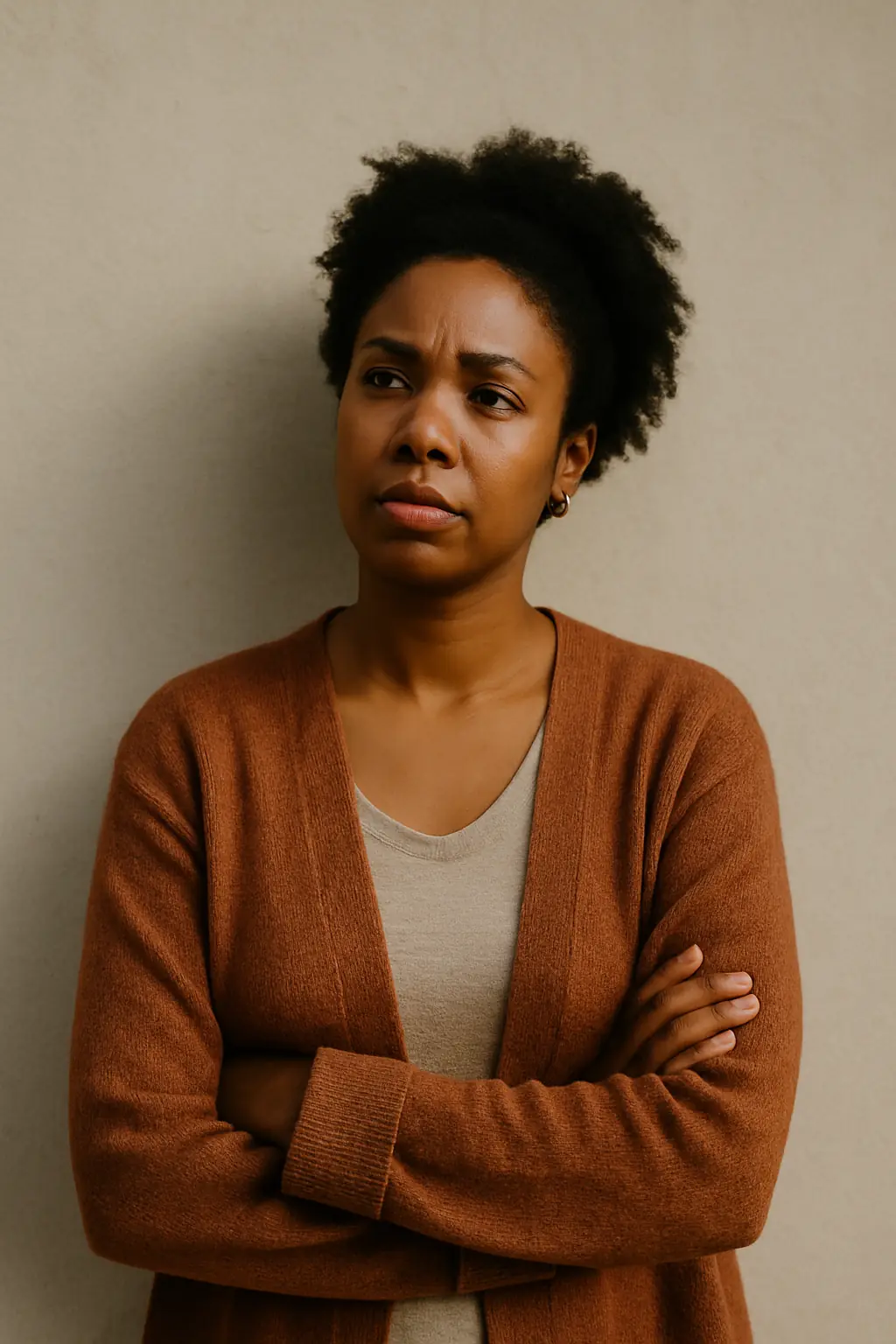
Microaggressions are subtle, often unintentional, verbal or nonverbal slights, snubs, or insults that communicate hostile, derogatory, or negative messages to target persons based upon their marginalized group membership. For BIPOC individuals, these daily encounters can accumulate, leading to significant emotional and psychological distress.
Strategies for Coping
- Validate Your Experience: Recognize that what you experienced was real and impactful.
- Prioritize Self-Care: Engage in activities that replenish your emotional energy.
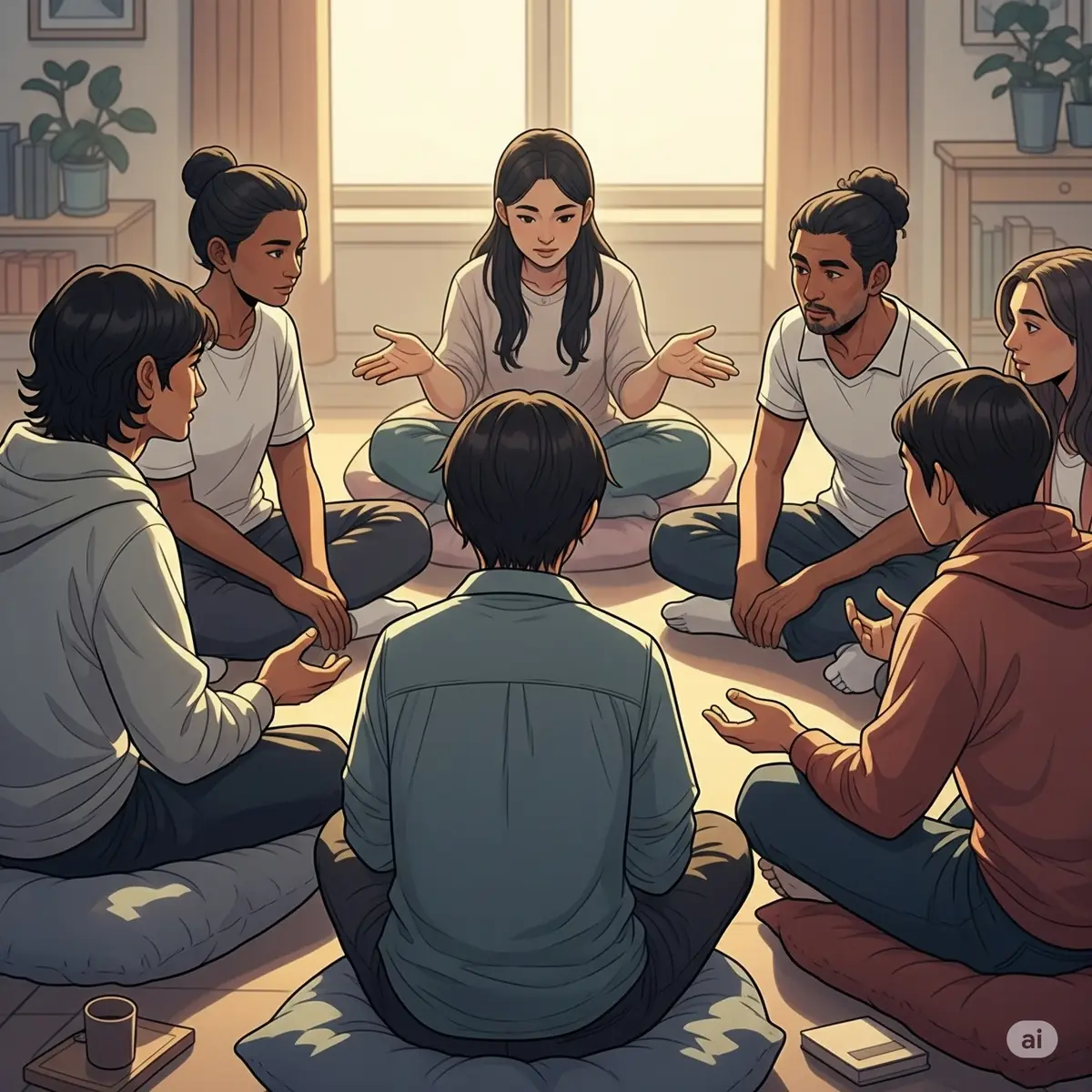
- Seek Support: Talk to trusted friends, family, or a therapist.
- Set Boundaries: Decide if and how you want to respond to microaggressions.
- Practice Mindfulness: Stay grounded in the present moment to manage stress.
It's important to remember that you are not alone in these experiences. Finding community and professional support can make a significant difference in navigating the challenges posed by microaggressions and fostering resilience.